



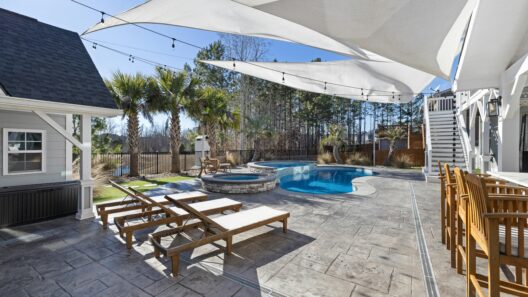
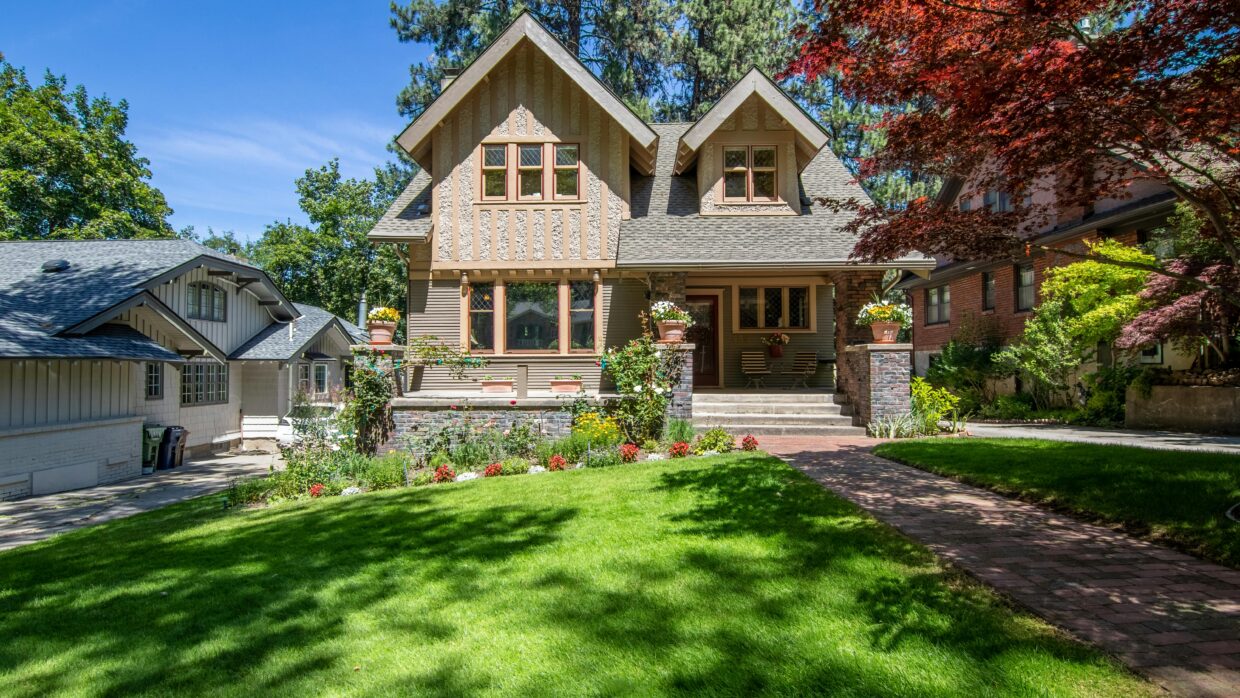
The humble garden shed has been reimagined in 2026. No longer a cluttered shack hidden in the corner, the modern shed serves as a home office, a creative studio, or a luxury pool house. As these structures become more integral to the home’s lifestyle, the choice of siding has become a critical design decision. At TopHomeServics, we believe that your outbuildings should be as architecturally significant as your main residence, requiring materials that offer both superior protection and high-end curb appeal.
Fiber Cement: The 2026 Standard for Longevity
Fiber cement siding has become the preferred choice for premium garden structures. Composed of a mixture of cement, sand, and cellulose fibers, it is virtually impervious to the factors that destroy traditional wood: rot, termites, and fire. In 2026, fiber cement technology allows for textures that perfectly mimic natural cedar grain or smooth, contemporary panels. Because it holds paint significantly longer than wood, your shed will maintain its “just-finished” look for over a decade. For homeowners in high-moisture or wooded areas, fiber cement provides the peace of mind that their studio or storage space is protected by an industrial-strength shell.
Engineered Wood and Natural Cedar
For those who insist on the warmth of real wood, Western Red Cedar remains the gold standard due to its natural oils that repel insects and decay. However, in 2026, “Engineered Wood” (such as LP SmartSide) is a formidable competitor. It offers the authentic look of wood but is treated with zinc borate and water-resistant waxes to eliminate the flaws of natural timber. Engineered wood is lighter and easier to install than fiber cement, making it a cost-effective way to achieve a high-end look without the frequent staining and sealing required by traditional wood siding.
Architectural Harmony with the Main Home
The most successful shed designs are those that achieve “Architectural Harmony.” This doesn’t necessarily mean a perfect match, but a thoughtful coordination of colors and textures. Using a bold, dark siding on the shed can create a stunning focal point in the garden, while using the same trim colors as the main house provides a sense of cohesion. We also recommend incorporating “mixed-material” siding—such as a stone water-table at the base with vertical board-and-batten siding above—to add architectural depth and make the structure feel like a permanent, high-value addition to your premium landscaping, an upgrade frequently highlighted by top builders.
Converted my shed into a painting studio last year using fiber cement siding. Four seasons later and it looks absolutely pristine. The moisture resistance in a creative workspace is invaluable.
LP SmartSide is underrated. Installed it on two outbuildings three years ago. Still no painting, no rot, no swelling whatsoever. I tell every builder I know to specify this over traditional wood siding.
The architectural harmony point is so important. I matched the trim color of our shed to the main house and used the same black window frames throughout. The whole property now looks like a cohesive estate.
The mixed-material approach with a stone water table at the base and vertical board-and-batten above is incredibly sophisticated. Saw this on a property last month and immediately asked for the contractor details.
Used a deep charcoal grey fiber cement on our new garden studio. Against the green garden backdrop it is a stunning focal point. The contrast is dramatic without being jarring in the least.
The termite-proof claim for fiber cement is why I chose it for my Florida shed. We have serious termite pressure here and fiber cement is the only siding I will ever recommend in this climate.